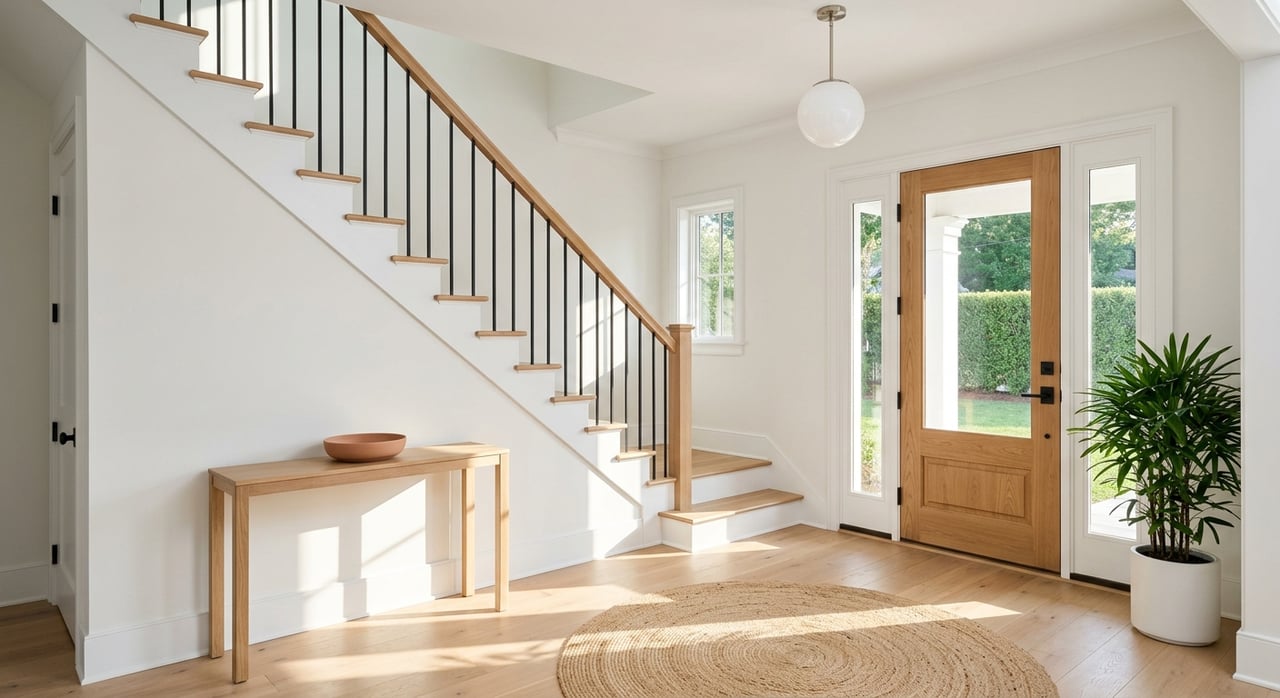
Step-By-Step Guide To Buying A Home In Cedar Point
July 9, 2026
July 9, 2026
Buying a home in Cedar Point can feel exciting and a little tricky at the same time. You are not just choosing a house here. You are also choosing a coastal setting, a tax structure, utility setup, and a level of storm and flood exposure that can shape your costs and your peace of mind. This guide walks you through each step so you can move forward with more clarity and fewer surprises. Let’s dive in.
Cedar Point is a small coastal town in western Carteret County shaped by Bogue Sound, the Intracoastal Waterway, and the White Oak River. Local recreation like Boathouse Creek Park and the Cedar Point Recreation Area helps explain why many buyers are drawn to the area’s waterfront access, boating options, and outdoor lifestyle.
Because Cedar Point is a smaller market, pricing can look different depending on the source and the time period measured. Public snapshots from May 2026 showed a median listing price of $389,900, a typical home value around $483,414, and a median sale price as high as $565,000 in one three-month snapshot. The main takeaway is simple: when you build your budget, think in terms of a price range instead of one fixed market number.
Inventory can also move quickly in a town this size. One May 2026 snapshot showed 66 homes for sale, while another showed 28. That makes it even more important to know your budget and priorities before you start touring homes.
Before you fall in love with a home, get preapproved. A preapproval gives you a lender’s tentative willingness to lend up to a certain amount, and it helps you focus your search on homes that truly fit your budget.
It also makes your offer feel more serious in an active market. If you are comparing lenders, ask for official Loan Estimates so you can review costs side by side. This step can help you spot meaningful differences in rates, fees, and monthly payment expectations.
Your monthly payment is only one part of the picture. In Cedar Point, you also need to think about property taxes, insurance, and possible flood- or wind-related costs that may be higher than what buyers expect inland.
For 2025, Carteret County’s tax rate is $0.225 per $100 of assessed value, and Cedar Point’s municipal tax rate is $0.1175 per $100. Property taxes are billed September 1 and become delinquent January 6 of the following year, so tax prorations at closing matter.
Here are a few budget items to plan for early:
Not every home in Cedar Point will fit the same lifestyle or risk tolerance. Some buyers want quick boat access or water views, while others care more about road access, lot size, or distance to recreation areas.
As you compare homes, pay attention to how the property fits into the town’s coastal environment. Waterfront access, trail access, and storm exposure can all influence both your enjoyment of the home and your long-term ownership costs.
You should also confirm the property type and zoning context early. Cedar Point’s development rules include an R-15M residential district that allows manufactured homes or code-built residential structures, so it is smart to verify what kind of property you are considering and what is allowed on that parcel.
One of the most important local checks in Cedar Point is the property’s utility setup. You should not assume every home has the same water or wastewater arrangement.
The town identifies West Carteret Water Corporation as the water provider and Carteret-Craven Electric Cooperative as the electricity provider. For wastewater, local ordinance contemplates both sewer connections and septic tanks, so buyers should verify exactly how the property is served.
Ask these questions before you write an offer:
In Cedar Point, flood risk is not a side note. It is a key part of buying smart.
Carteret County says the dominant flooding source is wind-driven storm surge from hurricanes, tropical storms, and nor’easters. The town also notes that floodplain development requires a Floodplain Development Permit, and local floodplain terms like LIMWA can affect how a property is evaluated.
Before you make an offer, ask for elevation certificates and flood map information if available. Carteret County maintains elevation certificates for new construction and substantial improvements and can help with map amendment or revision requests. Getting this information early can help you understand insurance needs, building limits, and future project costs.
A home can look perfect in person and still come with restrictions that matter to you. That is why it is worth checking county land records and any recorded covenants as part of your early due diligence.
Carteret County’s Register of Deeds maintains the land-records database used for deed history, title work, and recorded restrictions. This is one of the best ways to confirm the legal details tied to the property before you get too far into the process.
North Carolina’s buying process has an important feature that many out-of-state buyers do not expect: the due diligence period. This is the negotiated period when you can investigate the property and terminate for any reason or no reason before the deadline.
That flexibility can be valuable, but timing matters. The due diligence fee is generally non-refundable, while earnest money is typically returned if you terminate during the due diligence period. Because of that structure, you want a clear plan before you submit an offer.
North Carolina law also requires sellers of most one-to-four unit residential properties to provide a residential property disclosure statement. Review that disclosure carefully, but do not treat it as a substitute for your own inspections and research.
Once you are under contract, move quickly. Cedar Point buyers should use the due diligence period to learn as much as possible while they still have room to respond.
A home inspection should happen early, not near the end of the timeline. Use an independent home inspector who is accountable to you. At the same time, work on lender requirements, title review, utility questions, and insurance quotes.
A smart due diligence checklist may include:
In coastal North Carolina, insurance can change the affordability of a home in a big way. Standard homeowners policies can exclude flood, and they may also exclude windstorm or hail coverage.
If the property is in a Special Flood Hazard Area, flood insurance purchase rules may apply for a government-backed mortgage. Even when flood insurance is not required, many buyers still want to understand the cost before moving forward.
The best move is to get quotes early in the due diligence period. That gives you time to compare options and decide whether the total monthly cost still works for your budget.
North Carolina residential closings are supervised by a licensed North Carolina attorney. That means your closing process will include legal oversight as documents are prepared, reviewed, and finalized.
You should also know that your Closing Disclosure must be received at least three business days before closing. Use that time to review your final numbers carefully and ask questions if anything looks different from what you expected.
After closing, the deed and related documents are recorded with Carteret County. This step finalizes the public record of the transfer.
Buying the home is only the beginning. In Cedar Point, ownership also means staying prepared for coastal weather and understanding how your property functions over time.
That may include keeping flood-related records, learning your evacuation or storm prep routine, and staying current on maintenance tied to wind, water, and drainage. Carteret County Emergency Management provides preparedness resources, and local storm readiness is part of responsible ownership here.
A Cedar Point purchase has the usual moving parts of any home sale, but it also has local details that deserve close attention. Utility verification, floodplain questions, insurance timing, and due diligence strategy can all affect how smoothly your purchase goes.
When you have a local agent who understands the coastal corridor, you can move with more confidence and better context. That kind of support can help you stay focused on the right homes, ask sharper questions, and make decisions with fewer surprises.
If you are getting ready to buy in Cedar Point, Holly Griffith LLC can help you navigate the process with responsive guidance, local insight, and hands-on support from search to closing.
Stay up to date on the latest real estate trends.

Buying, selling, or investing? Holly Griffith provides expert guidance, personalized service, and results that make a difference. Let’s turn your real estate goals into reality—contact Holly today!