Living in Surf City NC Year-Round: What to Expect
February 5, 2026
February 5, 2026
Thinking about making Surf City your full-time home? If you love quiet beaches, a small-town feel, and easy access to the water, you might wonder what daily life looks like once the summer crowd thins out. You also want to know how commuting, shopping, schools, and storm prep work when you live on a barrier island year-round. This guide walks you through the rhythm of the seasons, daily logistics, housing considerations, and practical tips to help you plan a smooth move. Let’s dive in.
Surf City sits on Topsail Island with the Atlantic Ocean on one side and the Intracoastal Waterway on the other. You get an island lifestyle with beach access, quieter streets, and low-rise neighborhoods. You also rely on a bridge to reach the mainland for many services, jobs, and larger stores. To get a feel for town resources and updates, explore the Town of Surf City official website.
The year-round community includes small business owners, service professionals, military families, and retirees. Tourism drives summer activity, while construction, retail, hospitality, and service industries support daily life. If you work on base or in nearby cities, you will likely commute by car.
During peak season, the island is lively. Restaurants, ice cream shops, and beach businesses run at full tilt. Parking can be tight, and traffic to and from the bridge picks up. You get long beach days, warm water, fishing, and a steady calendar of summer fun.
The shoulder seasons bring a sweet spot. The weather is pleasant, the water is inviting, and local events and fishing tournaments pop up. Many restaurants stay open with slightly reduced hours. You enjoy more room on the beach and in town without losing energy or options.
In winter, Surf City slows down. Some seasonal spots close or cut hours, but a core of local businesses stays open. You get easy parking, peaceful morning walks, and time to build routines. It is a great season for fishing, paddling on calm days, or catching sunrise with only a few neighbors around.
Driving is the main way to get around. Your commute will depend on where you work, your schedule, and bridge traffic. Many residents drive to Jacksonville, Wilmington, or mainland towns. Public transportation options are limited, so plan on using a car for most trips.
You will find island markets and a range of local eateries, especially in spring through fall. Larger chain stores and shopping centers sit across the bridge on the mainland. Hours can change seasonally, so it helps to check before you go. Winter brings quieter dining, but you can still count on everyday essentials.
Routine care and urgent care are accessible in and around Surf City. For hospital care, plan to travel to the mainland. County websites share updates on services, emergency alerts, and preparedness. Start with the Onslow County Government and the Pender County Government for countywide resources.
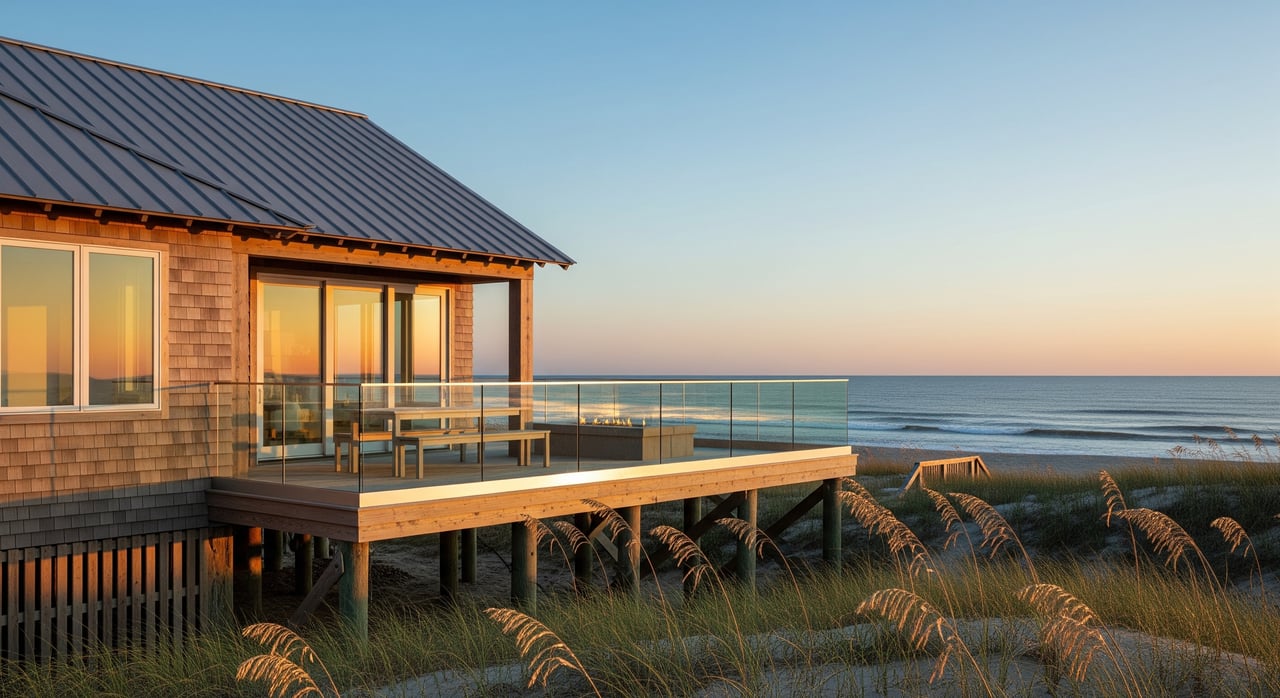
You will see a mix of older beach cottages, newer elevated homes, duplexes, and some condos. Many properties are built on pilings, especially closer to the ocean and water. Short-term rentals are common, which can influence street parking, noise at peak times, and neighborhood rhythm.
Surf City maintains short-term rental provisions in its municipal code. These often address items like registration, occupancy, parking, and safety standards. Before you buy, review the current language and confirm how it applies to your address. You can find details in the Surf City code of ordinances.
Coastal construction must meet wind and elevation standards, and FEMA flood maps play a big role in permitting. Many buyers need separate flood insurance in addition to homeowners coverage, and wind or hurricane-related coverage can vary by insurer. Check your specific property’s flood zone and gather elevation information early. Use the FEMA Flood Map Service Center for current flood maps and the North Carolina Department of Insurance for guidance.
Hurricane season runs from June 1 through November 30. Island residents should plan ahead for evacuation routes that cross the bridge and be ready for heavy traffic during regional evacuations. County emergency management offices share evacuation zones, shelters, and alert systems. Bookmark the Onslow County Government and Pender County Government pages for updates, and follow the NOAA National Centers for Environmental Information for climate data and storm history resources.
When you evaluate a home, ask about flood mitigation features, elevation certificates, and any updates to windows, roof, and anchoring systems. Also check town updates for beach nourishment or dune projects, which can affect long-term shoreline health and access.
Broadband is available in many parts of ZIP 28445, with cable and fiber networks serving select areas. Speeds and providers vary by street, so confirm service during due diligence. Water and sewer coverage depends on location, with many island streets on municipal systems. The town manages trash, recycling schedules, and storm debris guidelines. You can find service updates through the Town of Surf City official website.
School assignment depends on your address and whether your home sits in Onslow County or Pender County. District boundaries can shift, and enrollment policies vary. Always verify your property’s zoned schools directly with the district. Start with Onslow County Schools and Pender County Schools for current information.
Outside the classroom, families enjoy outdoor time year-round. From surfing and beach walks to paddleboarding and fishing, you have easy access to fresh air and water. Community groups, conservation efforts, and local events add a friendly, small-town layer to your week.
Beach access points, fishing piers, boat launches, and quiet soundside waters shape daily life. The surfing community is active through much of the year, and fall can bring great conditions. During nesting season, sea turtle monitoring and conservation work bring volunteers together. Seasonal events, fishing tournaments, and holiday celebrations create a steady community rhythm, even when winter quiets the streets.
Use this list to keep your search focused and your due diligence tight:
If you want a relaxed coastal routine with year-round access to the beach and a strong sense of place, Surf City delivers. You will balance island quiet with mainland convenience, and you will plan ahead for storms, insurance, and seasonal traffic. With the right due diligence, full-time living here can fit your lifestyle and budget.
When you are ready to explore homes, neighborhoods, and due diligence details that fit your goals, connect with a local guide who knows the island inside and out. Reach out to Holly Griffith LLC to schedule a free consultation and start planning your move.
Stay up to date on the latest real estate trends.




Buying, selling, or investing? Holly Griffith provides expert guidance, personalized service, and results that make a difference. Let’s turn your real estate goals into reality—contact Holly today!