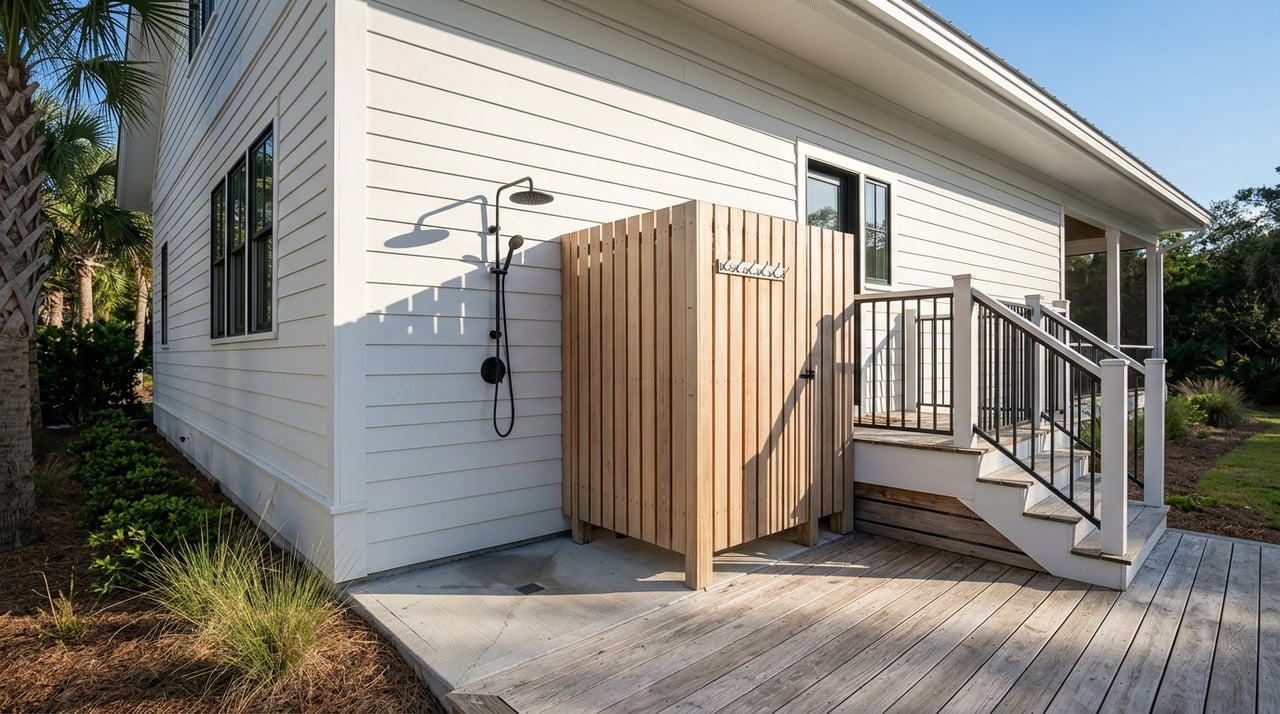
Buying A Second Home In Surf City, NC
April 16, 2026
April 16, 2026
Dreaming about a place near the water that you can enjoy now and keep for years to come? Buying a second home in Surf City, NC can be exciting, but it also comes with a different set of questions than buying your primary residence. If you want to make a smart move, you need to look closely at financing, taxes, flood risk, and ongoing ownership costs before you write an offer. Let’s dive in.
Surf City offers the kind of coastal setting that draws buyers who want a personal getaway, part-time residence, or future retirement option. If you are considering a second home here, the appeal often goes beyond beach access.
You may also be looking for flexibility. Some buyers want a home used only for personal stays, while others want the option to rent it part of the year. That one decision can affect your loan type, tax treatment, insurance needs, and even how you budget for ownership.
Before you focus on price or location, decide how the property will actually fit your life. This is one of the most important parts of buying a second home in Surf City.
According to Fannie Mae’s occupancy guidelines, a second home is generally a one-unit property that you occupy for part of the year, control exclusively, and do not use as a timeshare or hotel-style rental. That means a true second home is treated differently from an investment property.
If you plan to rent the home part of the year, your personal-use days matter. The IRS guidance on mortgage interest says the home must be used personally for more than 14 days or more than 10 percent of rental days to stay in second-home treatment for interest-deduction purposes.
A simple way to think about it is this:
Surf City sits in both Onslow County and Pender County, so your exact parcel location matters. Two homes with similar prices can have different recurring tax costs depending on which county they are in.
As listed in the Surf City FY 2025-2026 annual budget summary, the municipal property tax rate is $0.53 per $100 of value. Onslow County’s current rate is $0.655, while Pender County’s current rate is $0.7375. That puts the combined rate at about $1.185 per $100 on the Onslow side and $1.2675 per $100 on the Pender side, before any other local charges.
That difference may not change your decision on its own, but it should absolutely be part of your monthly and annual cost planning. Over time, even modest tax differences can affect your carrying costs.
In both counties, real estate taxes are billed annually, due September 1, and become delinquent after January 5. Onslow County’s tax page also notes that interest starts on January 6.
Both Onslow and Pender counties have countywide revaluations effective January 1, 2026. That means assessed values may change even if rates stay the same, so it is smart to plan for possible tax shifts after closing.
Surf City says on its finance page that the town’s records reflect the owner of record as of January 1. If you close after January 1, you should contact the town tax office so the bill is handled correctly.
That is a small step, but it can help you avoid confusion during your first year of ownership.
A second home in a beach town usually comes with expenses beyond principal, interest, taxes, and insurance. Surf City’s budget separates categories like accommodation taxes, water and sewer, stormwater, parking, and beach renourishment, which is a good reminder that your true cost of ownership can be broader than expected.
For some homes on the Onslow side of Surf City, the town bills sewer, garbage, and stormwater directly, while ONWASA continues to bill water. If you are estimating monthly carrying costs, especially for a home that may sit vacant part of the year, utility structure matters.
When you build your budget, include:
In coastal markets, flood risk should never be an afterthought. In Surf City, it should be part of your review from the start.
Surf City’s floodplain development page explains that Special Flood Hazard Areas are 1-percent-annual-chance flood zones. The town also notes that a structure in one of these areas has about a 26-percent chance of flooding over a standard 30-year mortgage.
That statistic alone makes flood-zone research essential when buying a second home in Surf City. It can affect insurance requirements, renovation plans, long-term costs, and resale strategy.
According to FEMA, homes in Special Flood Hazard Areas with government-backed mortgages generally require flood insurance. FEMA also notes that National Flood Insurance Program policies usually have a 30-day waiting period unless coverage is required by the loan or triggered by a map change.
Before you buy, check the property’s flood map status, current insurance setup if available, and any elevation-related documents tied to the home.
Surf City requires elevation certificates for new construction in regulated flood zones and has a 2-foot freeboard requirement above base flood elevation, according to the town’s floodplain rules.
If you are buying newer construction, considering future improvements, or comparing homes with different finished-floor heights, these details matter. They can influence both compliance and cost.
A second home often comes with a wish list. You may want to update kitchens, add outdoor living space, refresh siding, or make the property more storm-ready. In Surf City, you should verify what is allowed before starting any work.
The town’s permitting page says permits are required for construction, renovations, signs, change of use, and development. It also states that lot clearing should not begin without the proper zoning permit, and that no one may occupy a building until a certificate of occupancy has been issued.
If a home needs work, make sure your due diligence includes permit history, current compliance, and whether your planned updates will require approvals.
Many buyers like having the option to offset costs with part-time rental income. If that is part of your plan, you need to verify zoning and local tax handling for the exact parcel.
Surf City’s zoning ordinance defines a short-term rental as a dwelling used for vacation or recreation stays of less than 90 days, and the town’s land-use chart shows short-term rentals as permitted uses. That said, permitted use is only one part of the picture.
Local lodging-tax rules should be confirmed carefully. Surf City’s finance page says the town levies a 3 percent accommodation tax and says Pender County rental units also owe an additional 3 percent paid to the town. Pender County’s occupancy-tax page is described differently in the research, so buyers planning to rent should confirm the current remittance instructions directly for that specific property before listing it.
There is also a short-rental threshold worth noting. Surf City says its accommodation tax does not apply to a private residence or cottage rented for fewer than 15 days in a calendar year, according to the town’s finance information.
Lifestyle details can shape your experience just as much as the financial ones. If parking matters to you, ask about resident parking access early.
Surf City says on its resident parking pass page that registration includes two complimentary passes per residence, with a maximum of four total. Additional passes cost $100 each, and seasonal passes are available from March 1 through October 31.
If guests or renters will use the property, it is also worth understanding how public beach parking works during busier months. Small practical details like this can affect convenience and planning.
As you narrow your options, use these questions to guide your due diligence:
Surf City’s code enforcement page highlights upkeep and nuisance issues, so absentee owners should have a clear maintenance plan in place.
Buying a second home in Surf City, NC can be a great move, but the right property is about more than curb appeal and beach proximity. You want a home that fits your lifestyle, your financing strategy, and your long-term plans without surprising you on taxes, insurance, or compliance.
That is where local, detail-focused guidance can make a real difference. If you are weighing properties in Surf City or anywhere along the coastal corridor, Holly Griffith LLC can help you sort through the details, compare options, and move forward with confidence.
Stay up to date on the latest real estate trends.


Buying, selling, or investing? Holly Griffith provides expert guidance, personalized service, and results that make a difference. Let’s turn your real estate goals into reality—contact Holly today!