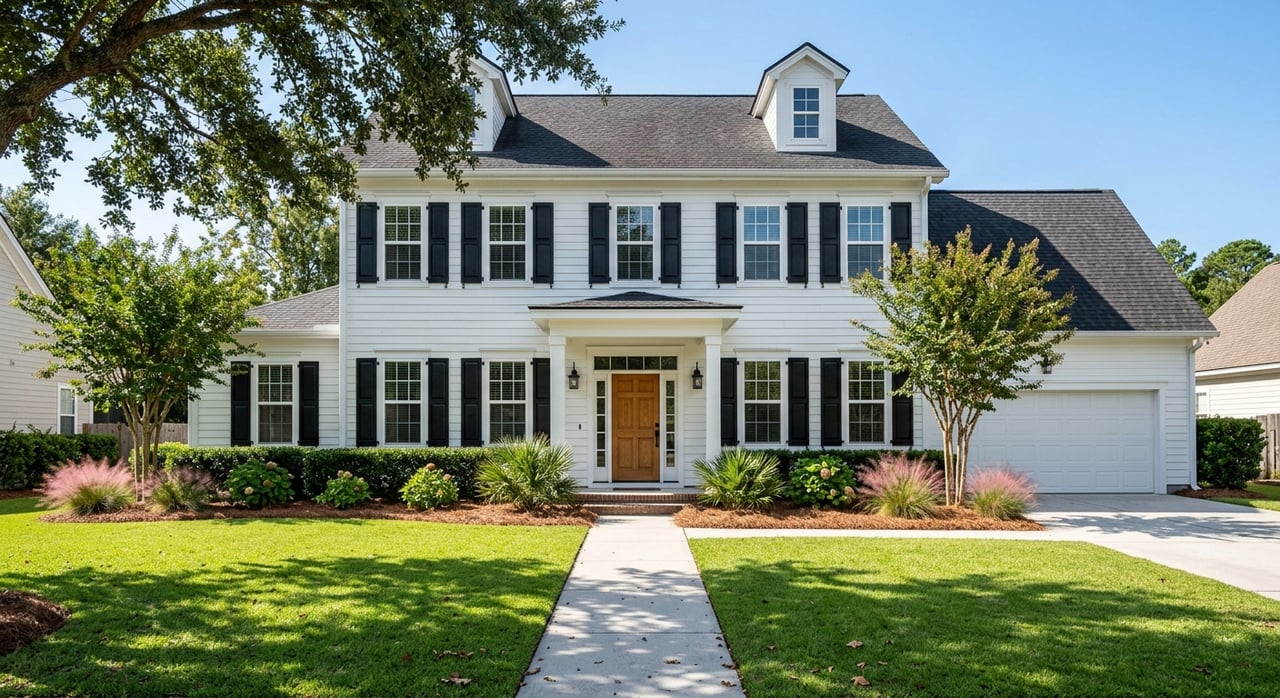
Thinking about selling your Swansboro home? In today’s softer, more balanced market, price and timing do most of the heavy lifting. You want strong net proceeds without sitting on the market for weeks. This guide walks you through how to set the right price, choose the best listing window, navigate North Carolina’s contract rules, and prep smart so you sell with confidence. Let’s dive in.
Swansboro market today
Swansboro and greater Carteret County have shifted toward a more balanced market compared to the 2020–2022 surge. You can expect months of inventory in the mid range and longer days on market than the pandemic lows. That means buyers have choices, and you’ll benefit from accurate pricing, clean presentation, and proactive negotiation.
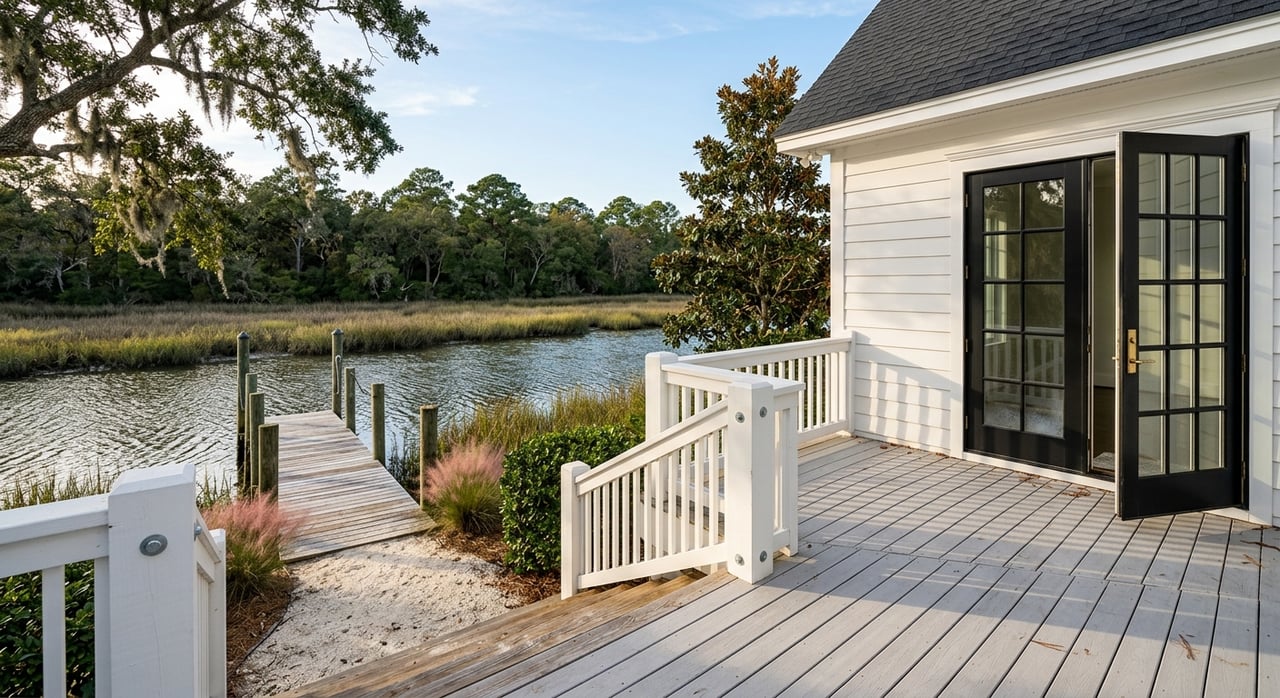
Coastal factors carry extra weight here. Buyers look closely at waterfront access, flood zones and insurance costs, elevation, and HOA rules. Pricing should reflect these micro‑market differences by neighborhood, view, lot elevation, and condition.
Build the right price (CMA)
Online estimates can swing a lot at the town level, especially when a few sales move the median. A local Comparative Market Analysis (CMA) anchors your price to what buyers are actually paying.
Here’s how a strong CMA comes together:
- Pull recent closed sales in the immediate area for the same type of home. Sold prices beat list prices for accuracy.
- Add current competition: active and pending listings show what buyers are weighing right now.
- Adjust line by line for size, beds/baths, age/condition, renovations, lot, view, and especially waterfront vs. non‑waterfront and flood elevation.
- Reconcile into a suggested low‑mid‑high range and choose a tactical list price based on your goals.
Smart pricing plays
- Aggressive‑competitive: Price slightly under perceived market value to drive traffic and potential multiple offers. Works well when inventory is tight or you’re targeting a strong spring window.
- Market‑value: Price right on the CMA. This attracts qualified buyers and reduces the risk of price cuts.
- Overpricing: Usually leads to longer days on market and reductions. Only consider if you accept the trade‑offs and your timing is flexible.
Time your listing
Nationally, a late‑spring “spring surge” often brings a price and speed premium. In Swansboro, you’ll layer on three local patterns:
- Tourism cycle: Visitor traffic and second‑home interest rise from April through summer. Local events and the May–September season can lift buyer activity. Check the town’s visitor materials for seasonal context to plan your launch timing.
- Military PCS window: Peak moves in our region typically run May through August. If your home fits that buyer profile, listing into late spring or early summer can capture additional demand. See the Defense Personal Property peak‑season guidance for context at this military moving resource.
- Hurricane season: The Atlantic season runs June 1 to Nov 30. This does not mean avoid summer listings, but it can affect underwriting timelines, inspection windows, and buyer questions. Track outlooks via the National Hurricane Center and plan your closing window thoughtfully.
You can also account for flood status early. Pull your FEMA map and have answers ready on elevation and insurance. Start here: FEMA Flood Map Service Center.
Pick your best window
- If your goal is maximum net and you can wait: prep over winter and target a March–May launch to meet the larger spring buyer pool.
- If you must move quickly: lean on accurate pricing, tight marketing, and a pre‑listing inspection to shorten days on market in any season.
- If you’re selling waterfront or in a flood‑exposed area: disclose flood information early and price with insurance costs in mind. Share your FEMA zone and any recent quotes to build buyer confidence.
NC disclosures and due diligence
North Carolina’s standard forms and timelines shape negotiation, so it helps to be ready before you hit the market.
- Residential Property and Owners’ Association Disclosure (RPOADS): Most sellers must deliver this state disclosure form to buyers by the time an offer is made. Get familiar with the form via the North Carolina Real Estate Commission’s RPOADS resource page.
- Mineral and Oil & Gas Rights Disclosure: North Carolina requires a separate disclosure if mineral or oil/gas rights have been severed. See an overview of your obligations in this North Carolina home‑seller disclosure explainer.
- Due Diligence period and fee (Form 2‑T): The buyer and seller negotiate a Due Diligence period and, often, a non‑refundable fee paid to you for that inspection window. A higher fee and shorter period can strengthen an offer. Review the Commission’s commentary in the NCREC bulletin archive.
Prep timeline: 3–12 months
Use this practical sequence to save time and protect your net.
0–3 months: early prep
- Order a professional pre‑listing inspection for structure, roof, and HVAC. Fix items that could derail negotiations.
- Begin completing your RPOADS and mineral/oil & gas disclosure with known facts. Use the NCREC RPOADS resource for reference.
- Pull your FEMA map and, if in a flood zone or near the water, gather recent NFIP/flood insurance quotes. Start at the FEMA Flood Map Service Center.
3–6 months: marketing prep
- Gather permits, recent utility bills, HOA documents, and contractor bids for likely repairs.
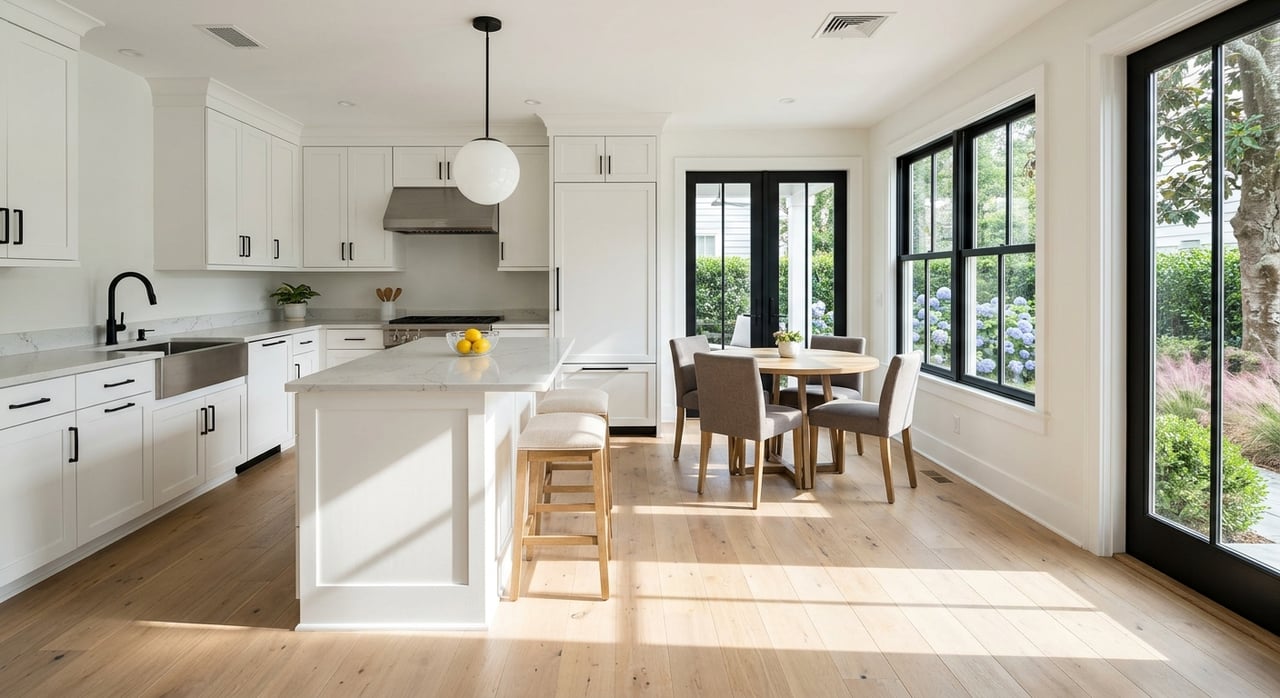
- Deep clean, declutter, and stage key rooms. For waterfront, plan drone or boat‑access photos.
- Review pricing scenarios with your agent: fast‑track aggressive, market‑value, or premium strategy with clear trade‑offs.
1–6 weeks before launch
- Finalize staging, confirm pro photography, and schedule your MLS activation for a targeted week. If timing is flexible, aim for early spring.
Offer stage
- Use the Due Diligence fee and period strategically. A stronger fee and shorter period often point to higher certainty. Consult an attorney on complex items such as easements or unique disclosures. See the NCREC bulletin archive for background.
Negotiation basics
- Appraisal gaps: In balanced markets, some buyers bridge appraisal shortfalls with additional funds. You can ask for proof of funds or prioritize offers with stronger financing to reduce risk.
- Inspections and repairs: Decide your approach early. You can fix visible issues before listing, negotiate credits during Due Diligence, or sell “as‑is” with a pre‑listing inspection to reduce surprises.
- Multiple offers: Price and presentation drive competition. If offers stack up, compare more than price: Due Diligence fee, period length, financing type, and closing flexibility all affect certainty.
Know your net
- Broker compensation: Total commission is negotiable. Model realistic scenarios with your agent so you understand how fees affect net proceeds.
- Taxes and prorations: Carteret County’s base county tax rate for FY 2025–26 is $0.225 per $100 of assessed value. Your actual bill depends on municipality or special districts, and your portion is prorated at closing. See the county notice for context: Carteret County Civic Alert.
- Other typical costs: Buyer credits you agree to, HOA transfer fees if any, attorney and recording, and any agreed repairs.
Partner with a local pro
Selling in Swansboro is part pricing science, part timing strategy, and part coastal know‑how. You deserve a plan that accounts for waterfront premiums and flood zones, the military PCS cycle, and spring’s buyer surge. If you want a clear, data‑driven path and hands‑on guidance from consult to close, let’s talk. Schedule your next step with Holly Griffith LLC.
FAQs
When is the best time to sell a Swansboro home?
- Late spring often brings more buyers, and in Swansboro that overlaps with rising tourism and the early military PCS window, which can improve both price and speed.
How do you price waterfront vs. inland homes in Swansboro?
- Start with nearby closed comps, then adjust for view, access, boat slips, flood elevation, and insurance costs; waterfront premiums vary widely, so local CMA judgment is key.
What is North Carolina’s Due Diligence fee and period?
- Buyers often pay a non‑refundable Due Diligence fee and negotiate a set inspection period; a higher fee and shorter period generally signal a stronger, more certain offer.
How does hurricane season affect my sale?
- From June through November, storms can affect inspections, insurance timing, and travel; plan buffers into your closing window and monitor the National Hurricane Center outlooks.
What disclosures are required for NC home sellers?
- Most sellers must provide the Residential Property and Owners’ Association Disclosure and the Mineral and Oil & Gas Rights Disclosure before or at offer time.
How do Carteret County property taxes impact my closing?
- Your county taxes are prorated to the closing date; the base county rate is $0.225 per $100 of assessed value, with municipal or district add‑ons where applicable.
I need to sell quickly; what should I focus on?
- Price precisely to the CMA, complete a pre‑listing inspection, handle key repairs up front, and use a tight marketing launch to shorten days on market in any season.