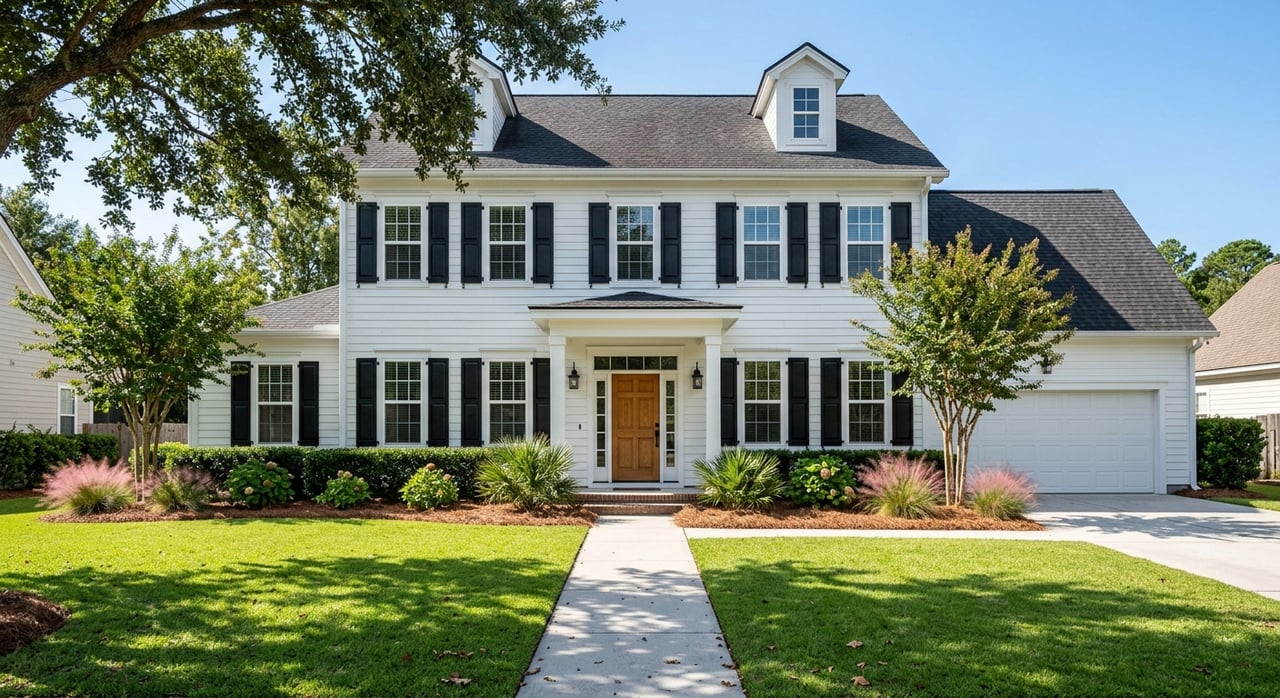
Trying to choose between a townhome and a single-family home in Cedar Point? Living by Bogue Sound and the White Oak River is a dream, but the coastal setting changes what ownership feels like day to day. This guide breaks down lifestyle, maintenance, insurance, and due diligence so you can pick the home that fits your goals. Let’s dive in.
Cedar Point lifestyle snapshot
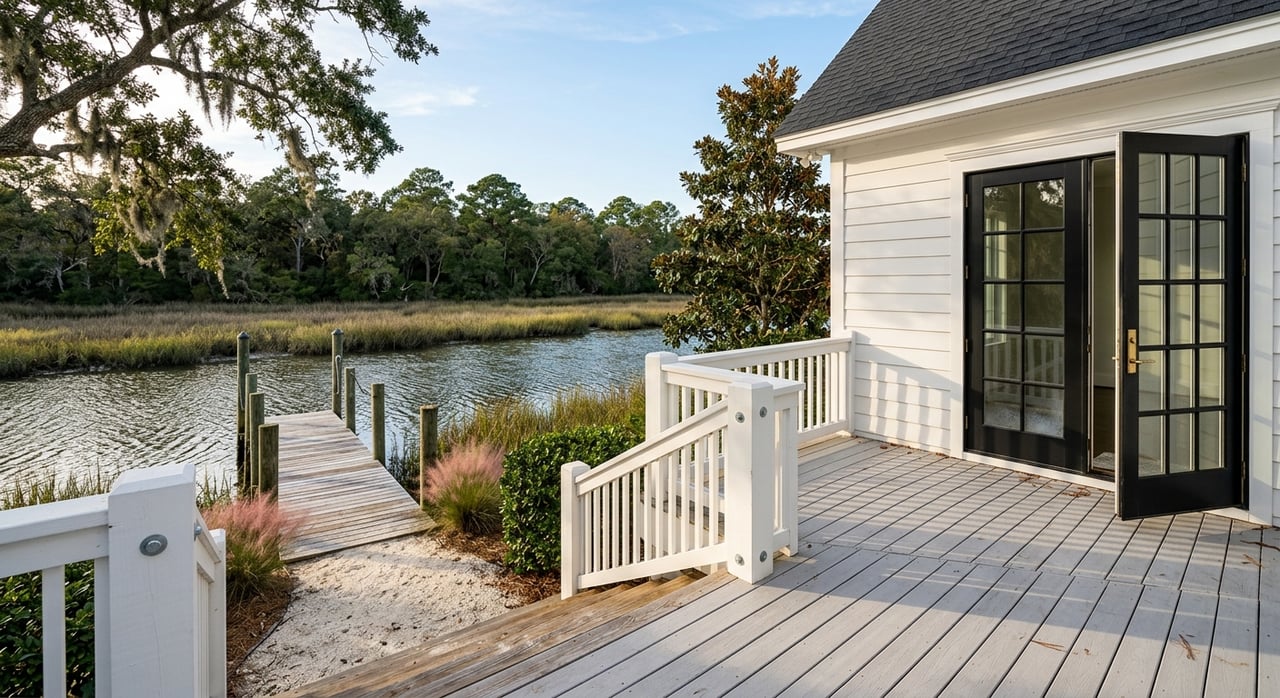
Cedar Point sits on the Crystal Coast, where boating, fishing, and trails shape daily life. Local highlights include Boathouse Creek Park and the Cedar Point Recreation Area in Croatan National Forest, which offers trails, a boat ramp, and a campground. You also have nearby marinas and service yards that support both recreational and working boats, such as the long-standing Dudley’s Marina. These amenities make waterfront living appealing, but they also place more homes near flood-prone areas.
- Explore town resources and community updates on the Town of Cedar Point’s official site: cedarpointnc.org
- See park and recreation details on the town’s page for local amenities: Cedar Point parks and access
- Review a local marina example for context on boating access and services: Dudley’s Marina
Townhomes: what you can expect
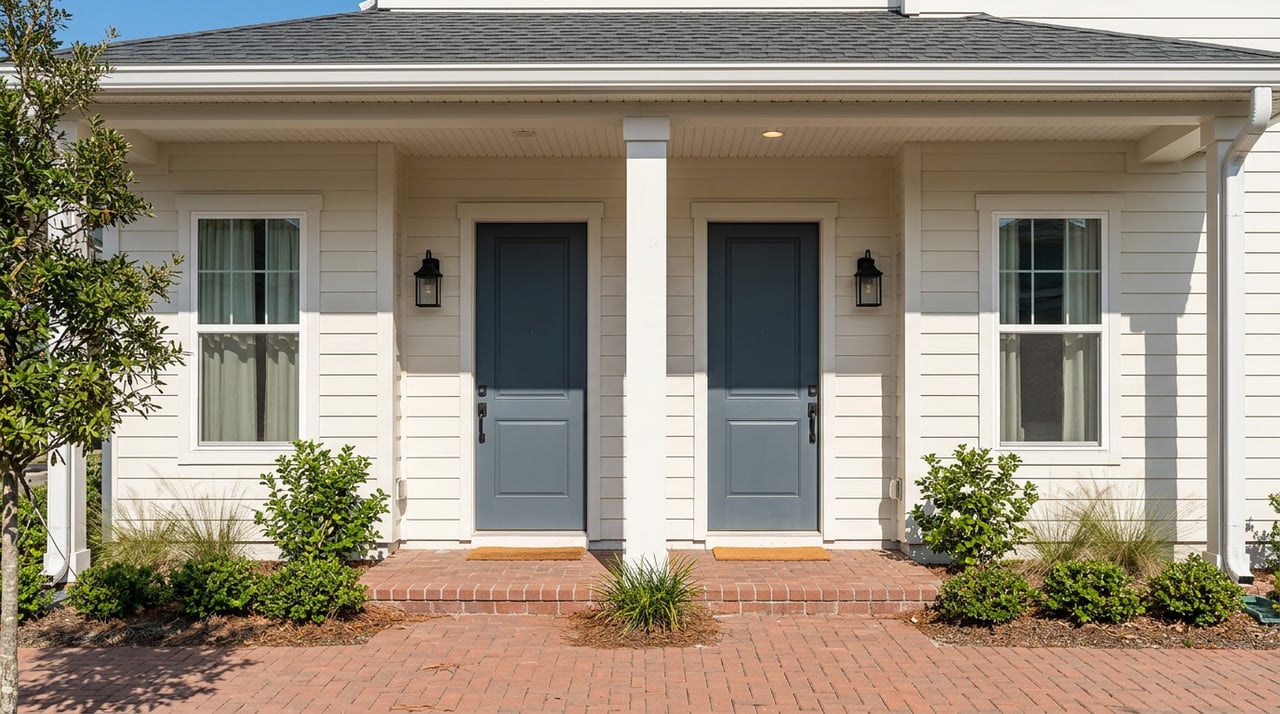
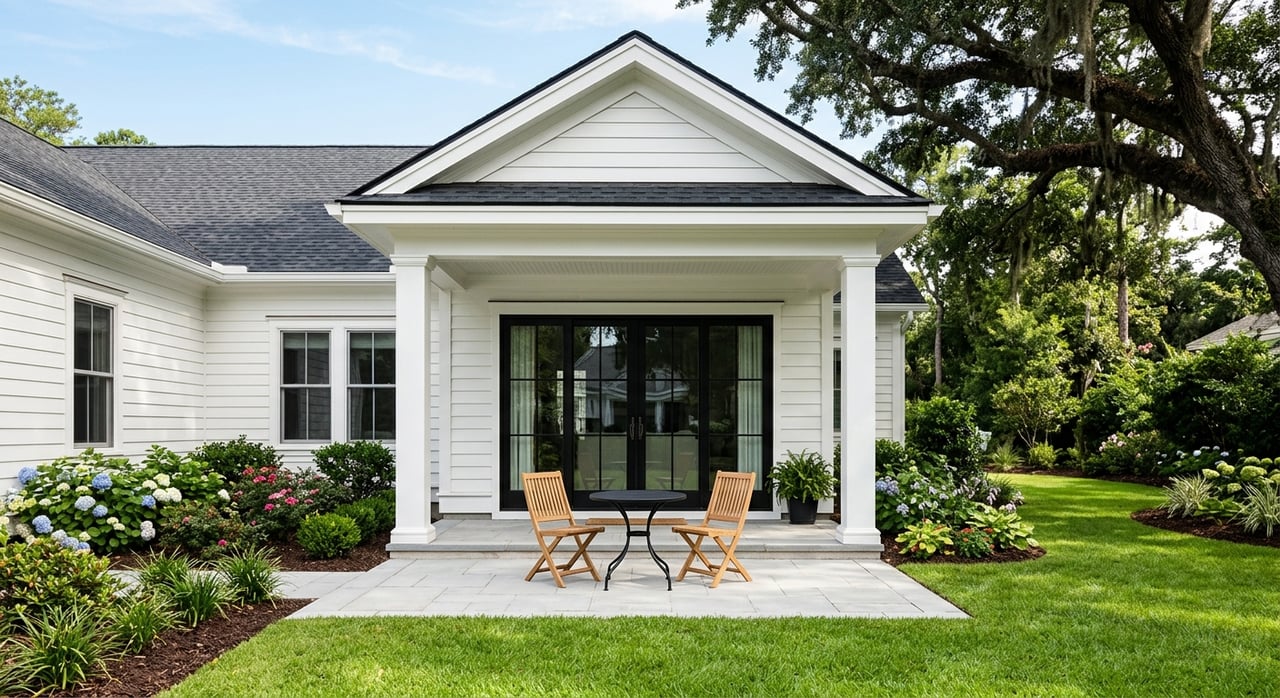
Townhomes in the Cedar Point area are usually 2 to 3 stories with shared walls and compact footprints. Many include attached or tuck-under garages, small yards, patios, or decks. Most communities have a homeowners association that manages exterior upkeep and common-area landscaping.
Lifestyle benefits often include lower weekly exterior chores and easy lock-and-leave living, which can be great if you travel or split time seasonally. You trade some privacy for convenience since units sit closer together and share walls. For many buyers, the predictable maintenance and location benefits outweigh the reduced yard or separation.
Pros you might value
- Lower exterior maintenance handled by the HOA
- Often more convenient locations and smaller footprints
- Easier seasonal or part-time living
- Sometimes shared amenities and unified landscaping
Factors to confirm
- What the HOA dues cover and what they do not
- The association’s reserve balance and special assessment history
- Any rental, pet, or parking rules that affect your plans
Single-family homes: what you can expect
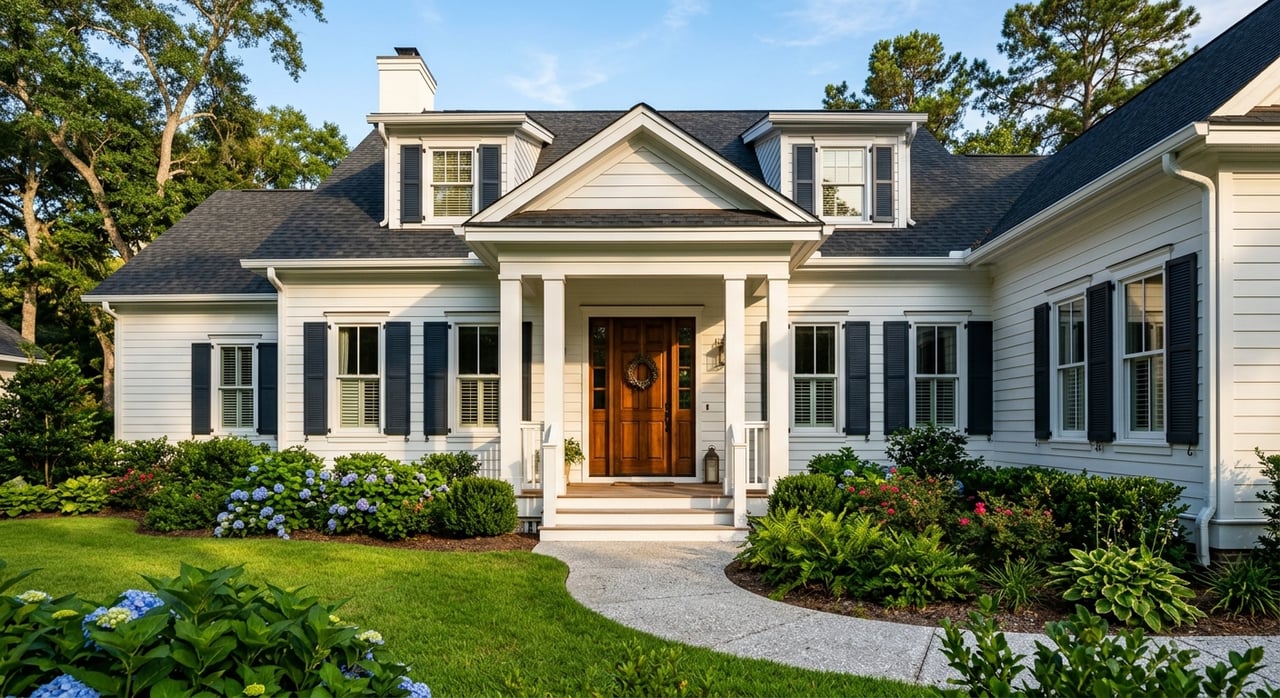
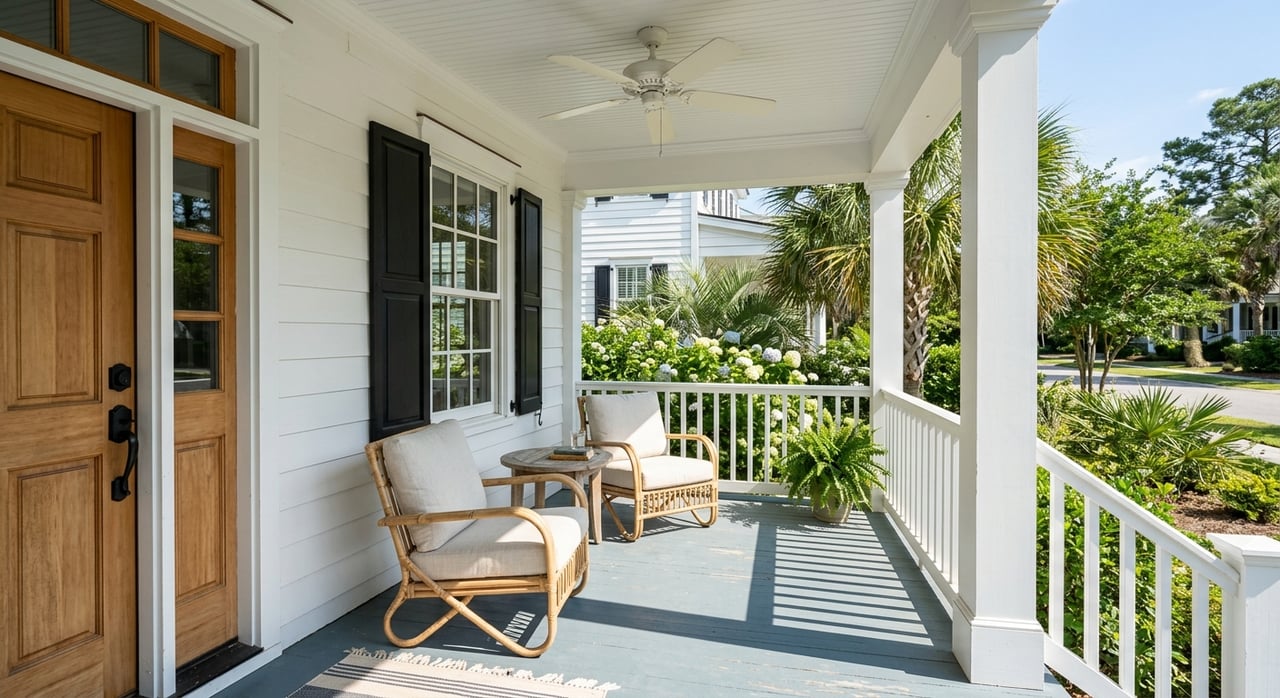
Detached homes offer more separation, private yards, and control over your property. In coastal Carteret County, styles range from simple ranches to elevated coastal cottages. Waterfront homes are often built to higher flood standards, such as elevating on pilings.
You gain privacy and outdoor space, but you also take on full responsibility for the roof, siding, landscaping, and any docks or outdoor structures. Storm readiness and routine coastal upkeep are part of the rhythm of ownership here.
Pros you might value
- More privacy, parking, and yard space
- Greater control and customization of your home
- Potential for storage of boats or outdoor gear on your own lot
Factors to confirm
- Whether the home is in a mapped flood zone that affects insurance and construction
- Condition and age of major systems and exterior materials
- Any permits or approvals for docks, additions, or improvements
Costs to plan for
HOA fees vs private maintenance
- Townhomes usually include HOA dues that cover specified services like exterior repairs, common insurance, landscaping, and reserves. That can simplify budgeting and reduce surprise repair work.
- Single-family homes often have lower or no HOA dues, but you pay for all exterior and yard work directly. That includes roofing, siding, paint, driveways, fencing, and tree care.
What to request early if you are considering a townhome:
- HOA budget and latest reserve study
- Covenants, conditions, and restrictions (CC&Rs)
- Recent meeting minutes and notice of any special assessments
- Rules covering rentals, pets, parking, and exterior changes
Flood risk and insurance in Cedar Point
Cedar Point and Carteret County have updated flood maps that matter for both home types. Properties inside Special Flood Hazard Areas or Coastal A/VE zones may face stricter building standards, such as elevation requirements, breakaway walls, or flood vents. The town’s floodplain page explains how mapping and permitting work locally.
Practical steps:
- Verify a property’s flood zone and ask for an Elevation Certificate if one exists.
- Get quotes for both NFIP and private flood coverage before you finalize your choice.
- Expect higher standards and potentially higher premiums if a home sits in Coastal A or V-like zones.
Property taxes and utilities
Cedar Point buyers pay county and town taxes. Tax rates and assessed values can change, so check current county and municipal information for the specific parcel. Utility setup also varies. Some lots connect to municipal services while others use private septic or wells. Confirm water and sewer status and request a recent septic inspection if applicable.
- Start with the Carteret County site for tax and department contacts: Carteret County
Coastal wear and routine upkeep
Salt air, wind, and hurricanes increase exterior wear on both townhomes and single-family homes. Even when an HOA covers the exterior, you still own your interior systems and may share in storm-related repairs. Ask about the building’s maintenance plan, materials used for coastal durability, and how the community handles post-storm response.
- Follow local preparedness resources from the Town of Cedar Point: cedarpointnc.org
Which one fits your goals?
Choose a townhome if you want:
- Lower exterior maintenance and a smaller footprint
- A convenient, lock-and-leave setup for travel or seasonal use
- Predictable budgeting through HOA coverage and reserves
Choose a single-family home if you want:
- More privacy, yard space, and parking
- Flexibility to customize and expand over time
- Space for outdoor gear or potential boat storage on your lot
In both cases, your best choice in Cedar Point comes down to balancing maintenance, insurance considerations, and your day-to-day lifestyle near the water.
Cedar Point buyer checklist
- Confirm the property’s flood zone and request an Elevation Certificate. If none exists, get a professional estimate. Then obtain NFIP and private flood quotes early. Review local guidance here: Cedar Point floodplain development.
- If the property has an HOA, request the budget, reserve study, CC&Rs, recent minutes, and details on rental, pet, and parking rules. Ask exactly what dues cover.
- Verify whether the home is on municipal water/sewer or a private septic/well. Ask for recent septic service records if applicable. For county contacts, start here: Carteret County.
- Review town or county permits for structural changes, dock additions, or flood-mitigation work. Confirm that required floodplain permits or variances are on file. Town resources: cedarpointnc.org.
- Ask your insurance agent about homeowner coverage, wind/hail deductibles, and separate flood insurance. Learn how Risk Rating 2.0 works: FEMA overview.
- Visit the neighborhood at different times to check noise, proximity to open water, marina traffic, and access to parks and boat ramps. A helpful local overview: Cedar Point recreation access.
Resale and permitting notes
Near-water properties usually draw strong buyer interest for boating and coastal access, but many buyers will factor flood risk and insurance costs into their decisions. Townhomes can widen your potential buyer pool for low-maintenance living, while detached homes often appeal to those who value space, privacy, and customization. If your property sits in a mapped flood zone, plan for permitting steps and potential engineering requirements for future projects.
The bottom line
In Cedar Point, the right choice is the one that fits your daily routine as much as your budget. If you want easy upkeep and a smaller footprint, a townhome can work well. If privacy and outdoor space matter more, a single-family home likely fits best. In both cases, confirm flood risk, insurance costs, and maintenance scope early so you can buy with confidence.
When you are ready to compare real properties and run the right due diligence, reach out to schedule a friendly, no-pressure strategy call with Holly Griffith LLC. We will help you map your lifestyle goals to the right Cedar Point home and navigate the details from offer to close.
FAQs
Do Cedar Point buyers need flood insurance?
- If a property lies in a FEMA Special Flood Hazard Area and you have a mortgage with a federally regulated lender, flood insurance is usually required. Even when it is not required, coastal buyers should consider coverage due to storm surge risk. Confirm the exact flood zone and get quotes early. See the town’s guidance: Cedar Point floodplain development.
Are townhomes less work to maintain than houses?
- Often yes for exterior and common areas, because HOAs typically cover those tasks. Still, confirm what dues include, review reserves and any special assessments, and budget for interior systems and personal property.
Are townhomes in Cedar Point less private or noisier?
- Shared walls and closer siting can reduce privacy compared with detached homes. If possible, tour an occupied unit, ask about construction details, and check rules that influence noise and neighbor impact.
How do Coastal A or V zones affect construction choices?
- Properties inside these mapped areas face higher standards, such as elevated foundations and breakaway walls. That can affect remodel or rebuild costs. Review the town’s floodplain rules and discuss your plans with local permitting before you buy: Cedar Point floodplain development.
What local steps help me compare total ownership costs?
- Verify the flood zone and elevation, get homeowner and flood insurance quotes, confirm HOA scope and reserves if applicable, check utility type and recent septic service, and review town or county permits and any required floodplain approvals.